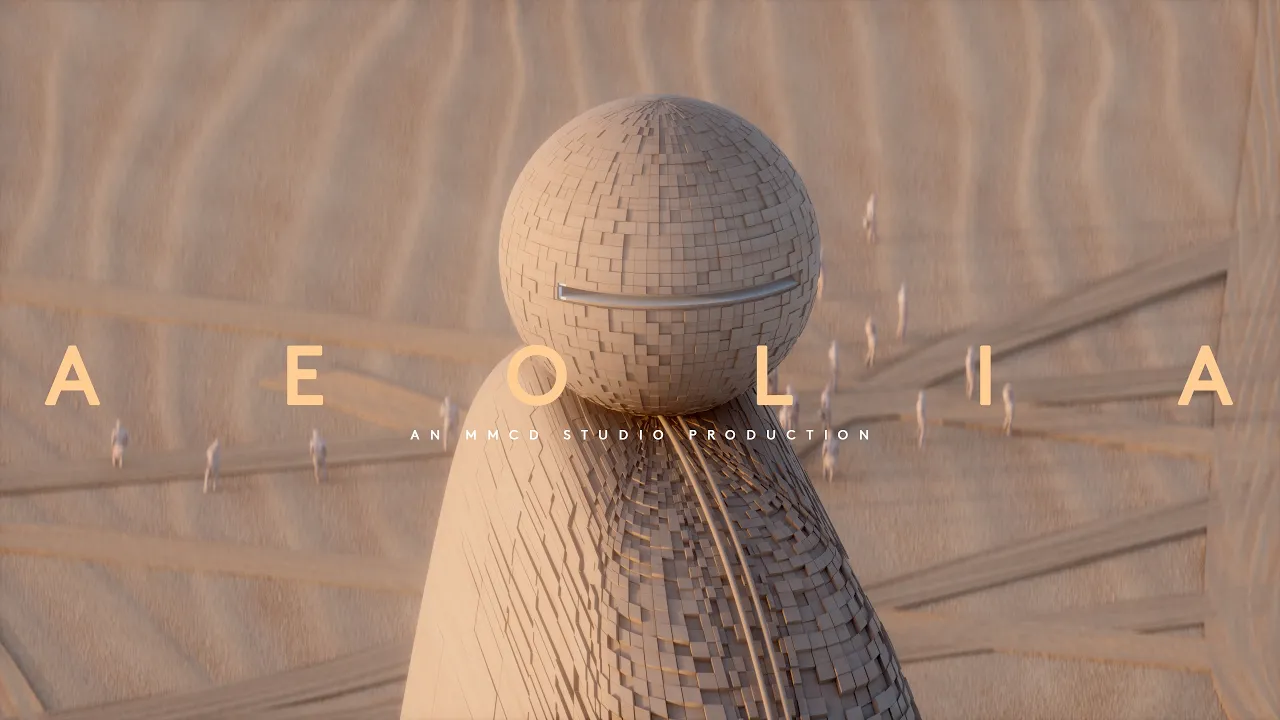
AEOLIA
May.2026
Read Article
↓
↓
Overview
AEOLIA
A global network of civic beacons for a world in transition.
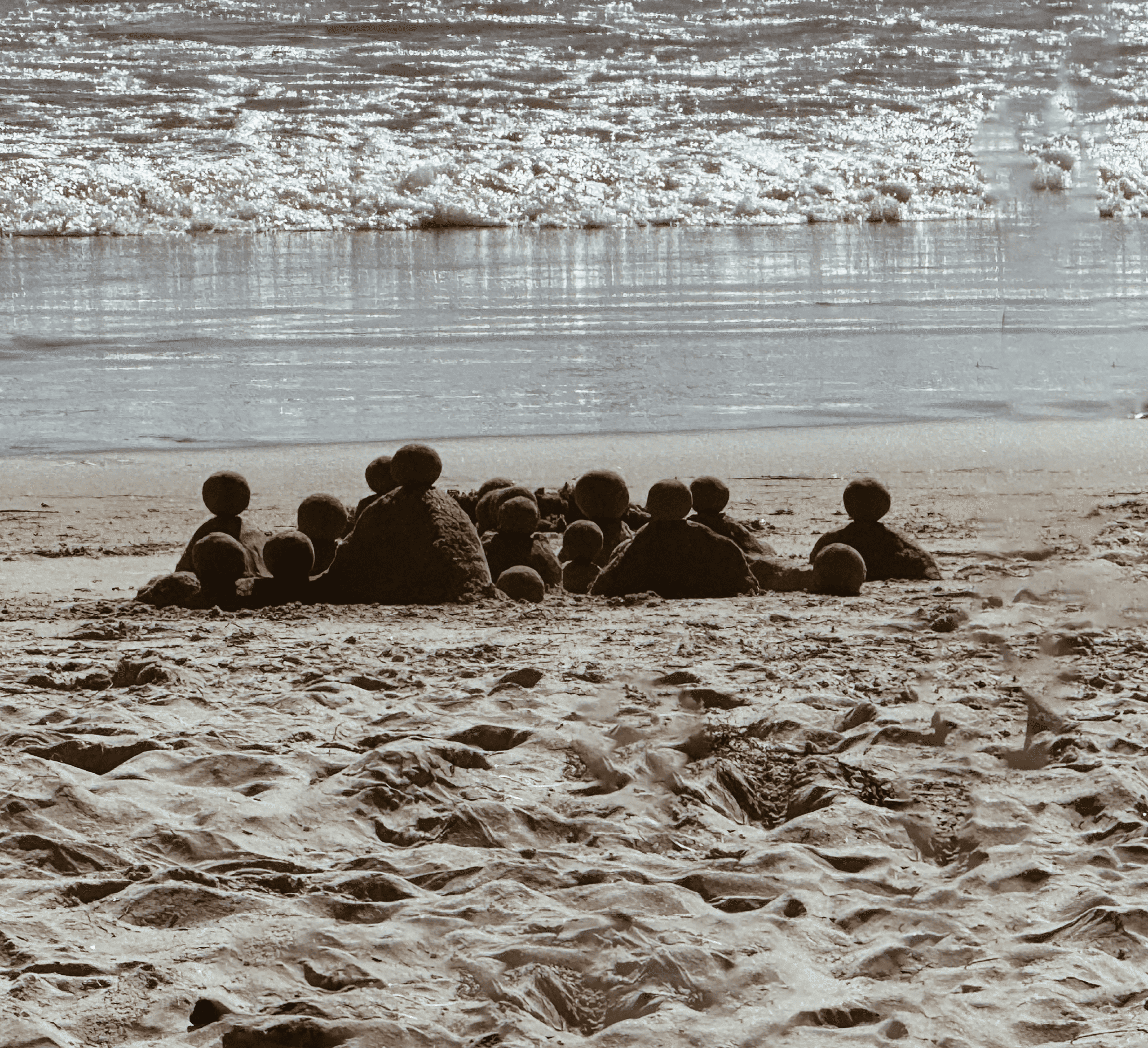
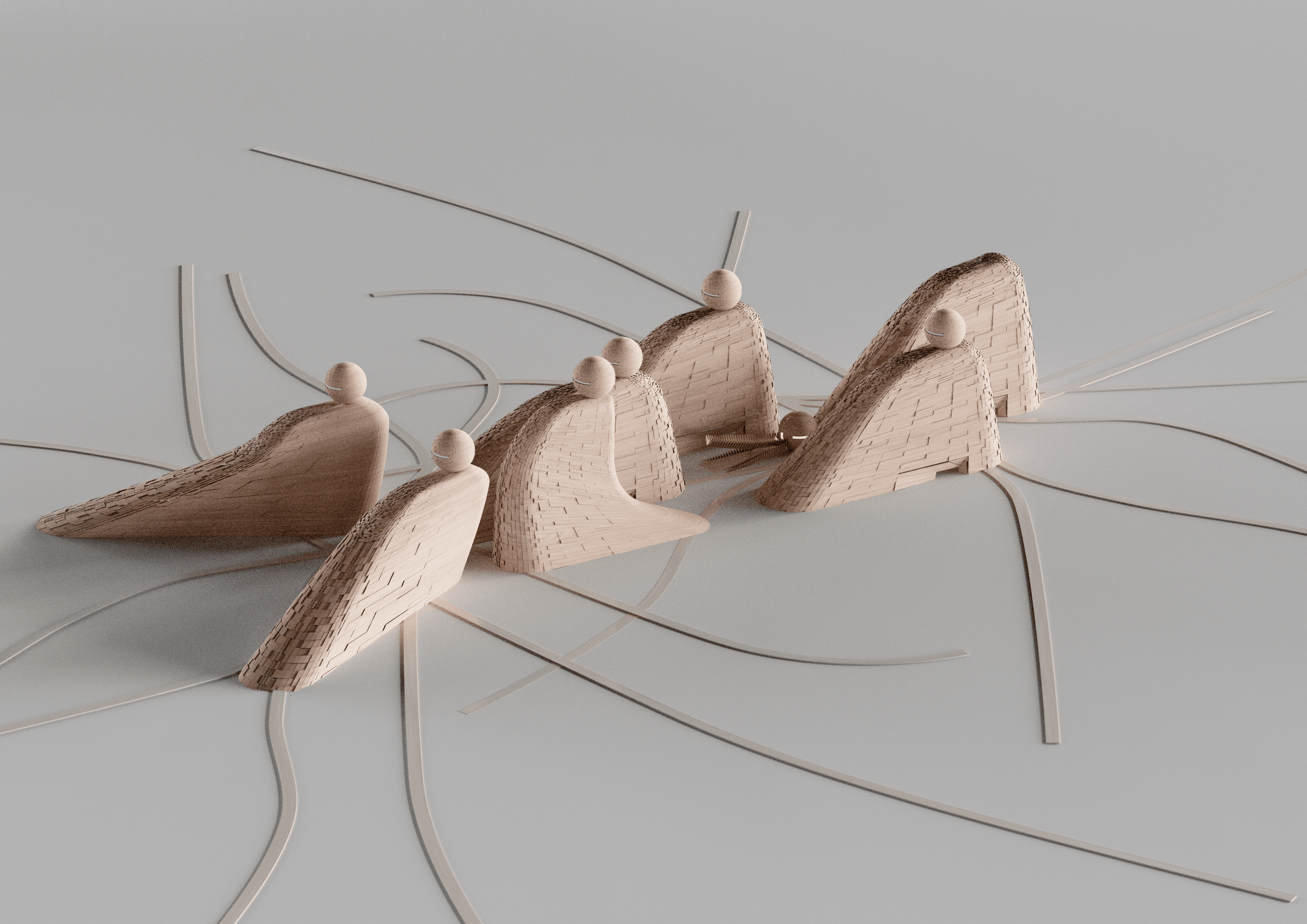
AEOLIA began as an experiment in form on a San Diego beach.
The earliest studies emerged from something unexpectedly simple: the temporary architecture of sand. Beach-built structures, carved mounds, wind-shaped voids and accidental monuments suggested a larger question:
What if architecture could feel ancient, temporary and futuristic all at once?
From those early studies, AEOLIA has evolved into a broader civic proposition.
Not a single building.
Not a museum.
Not a conference centre.
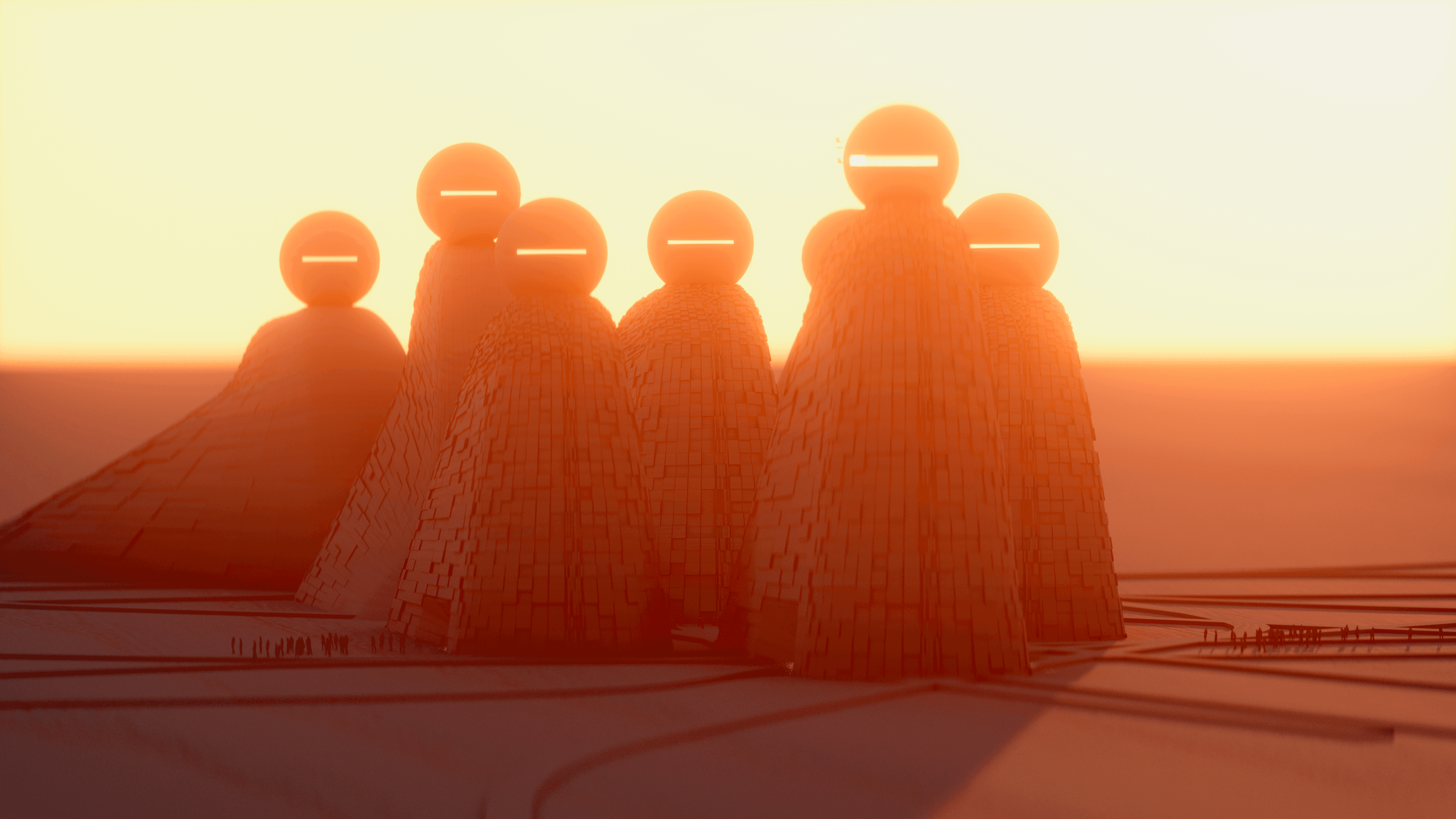
AEOLIA is imagined as a global network of deployable civic beacons: landmark structures placed in cities, coastlines, ports, former industrial regions and places undergoing cultural, economic or environmental transformation.

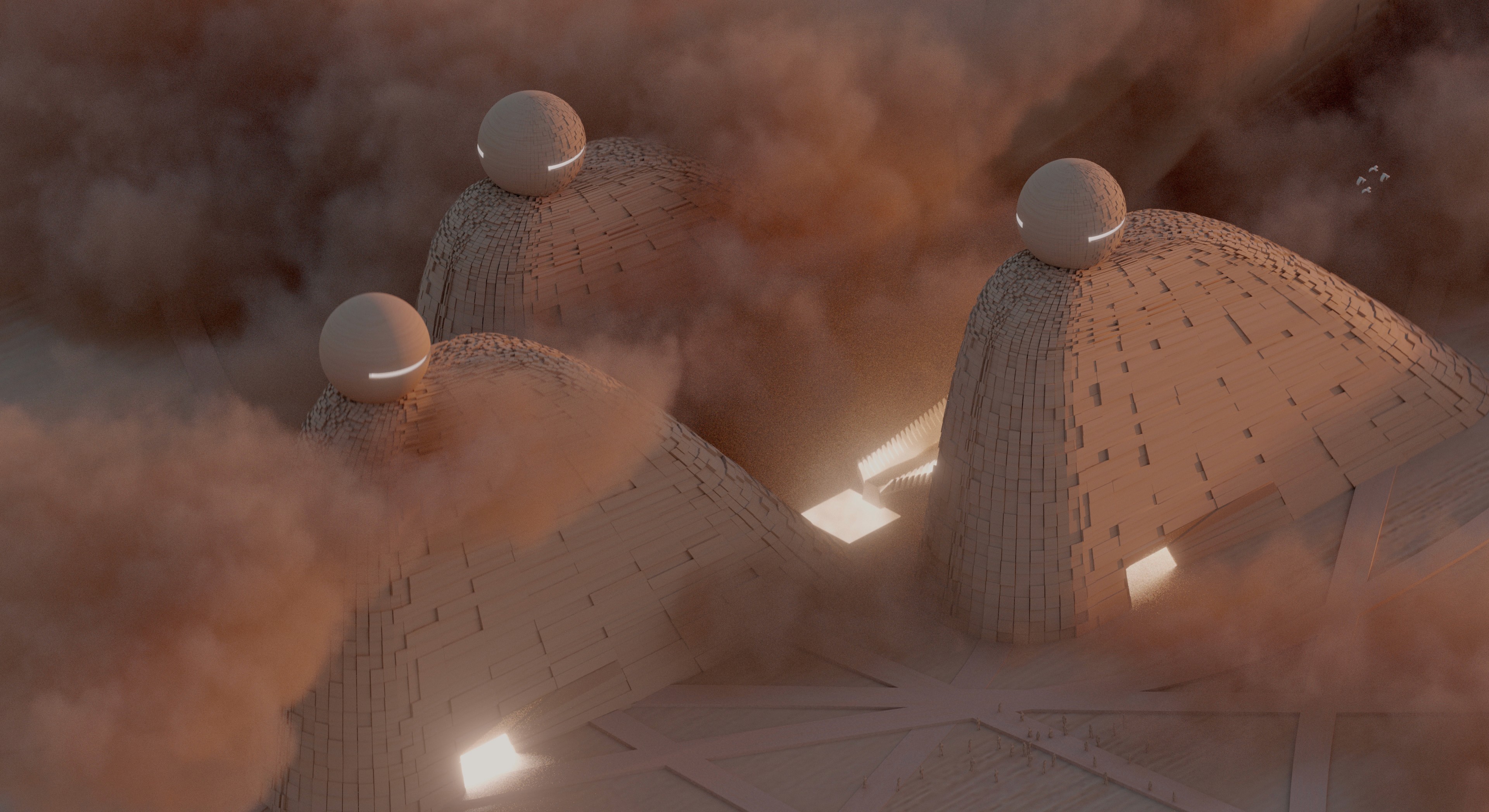
Each beacon becomes a physical forum for the questions shaping civilisation.
Politics.
Culture.
Technology.
Climate.
Identity.
Economy.
Cities.
Work.
Memory.
The future.
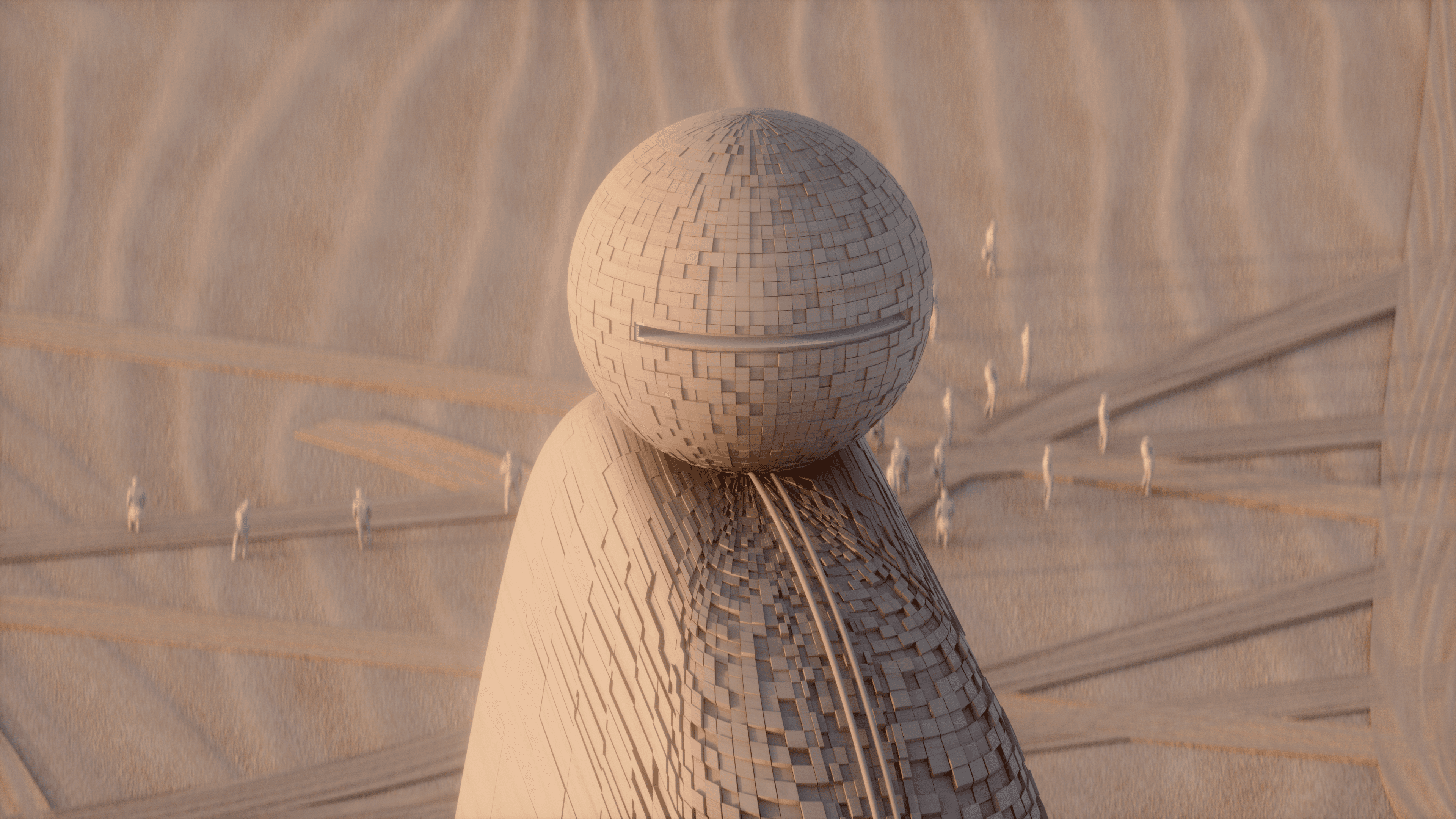
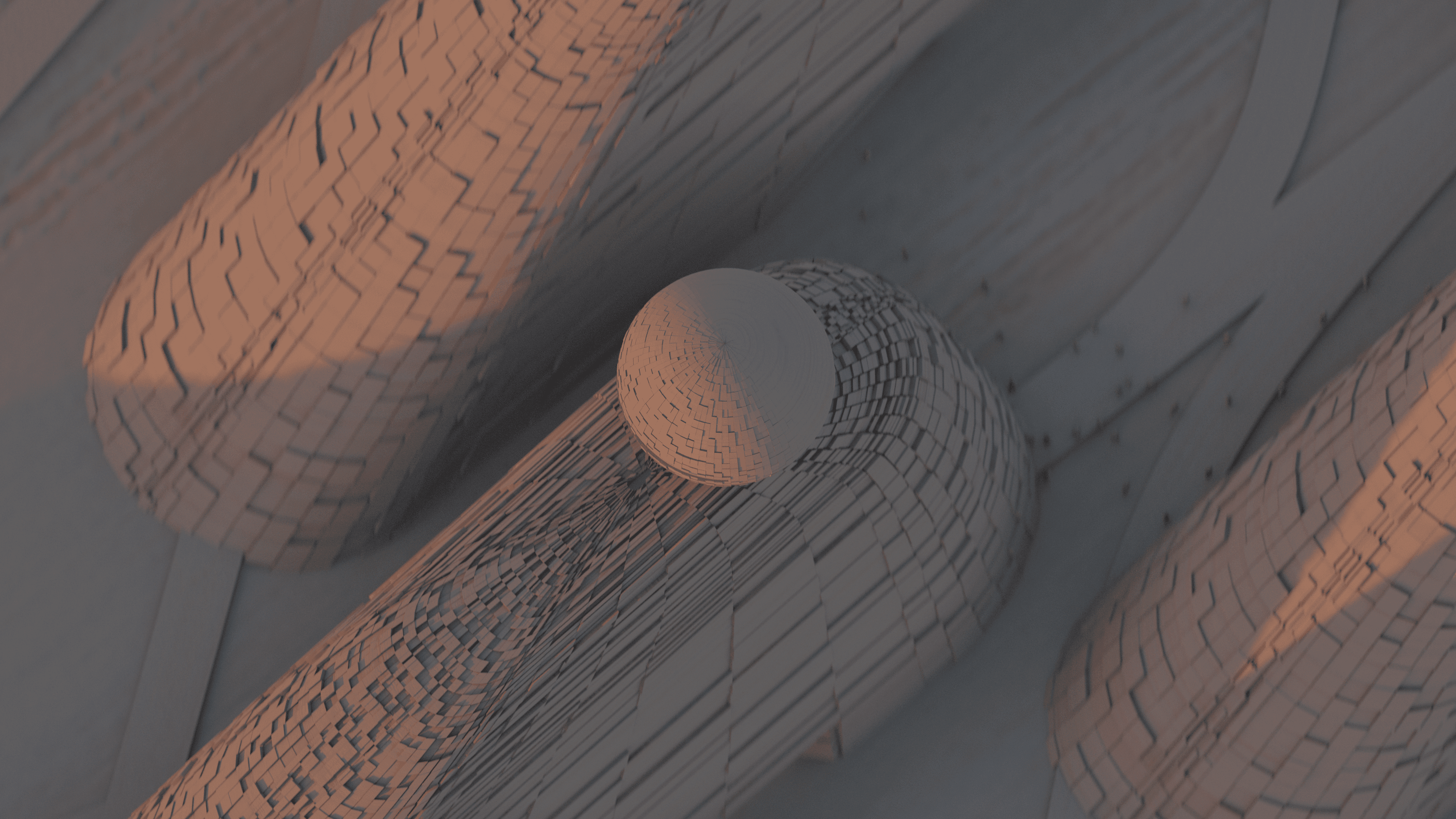
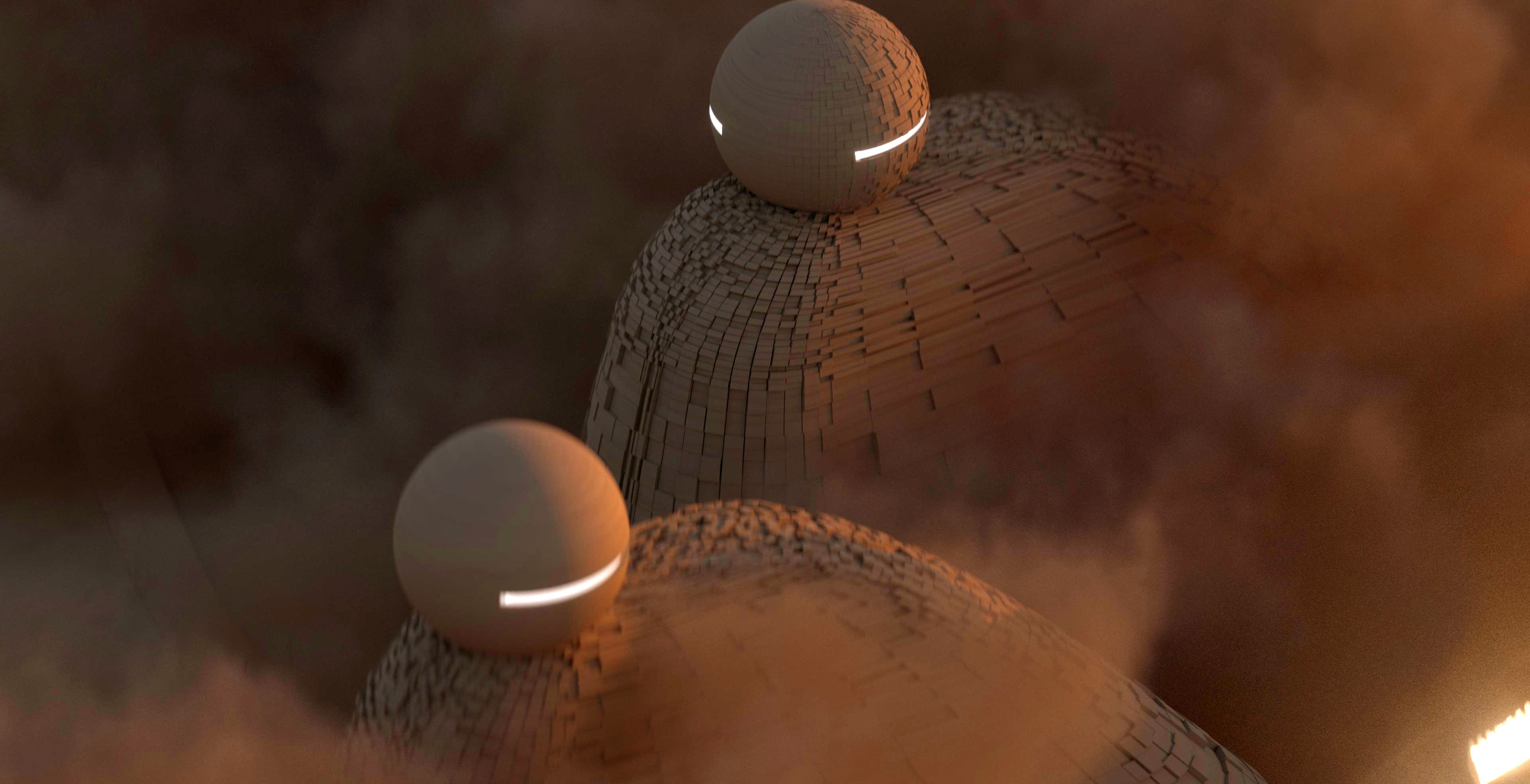
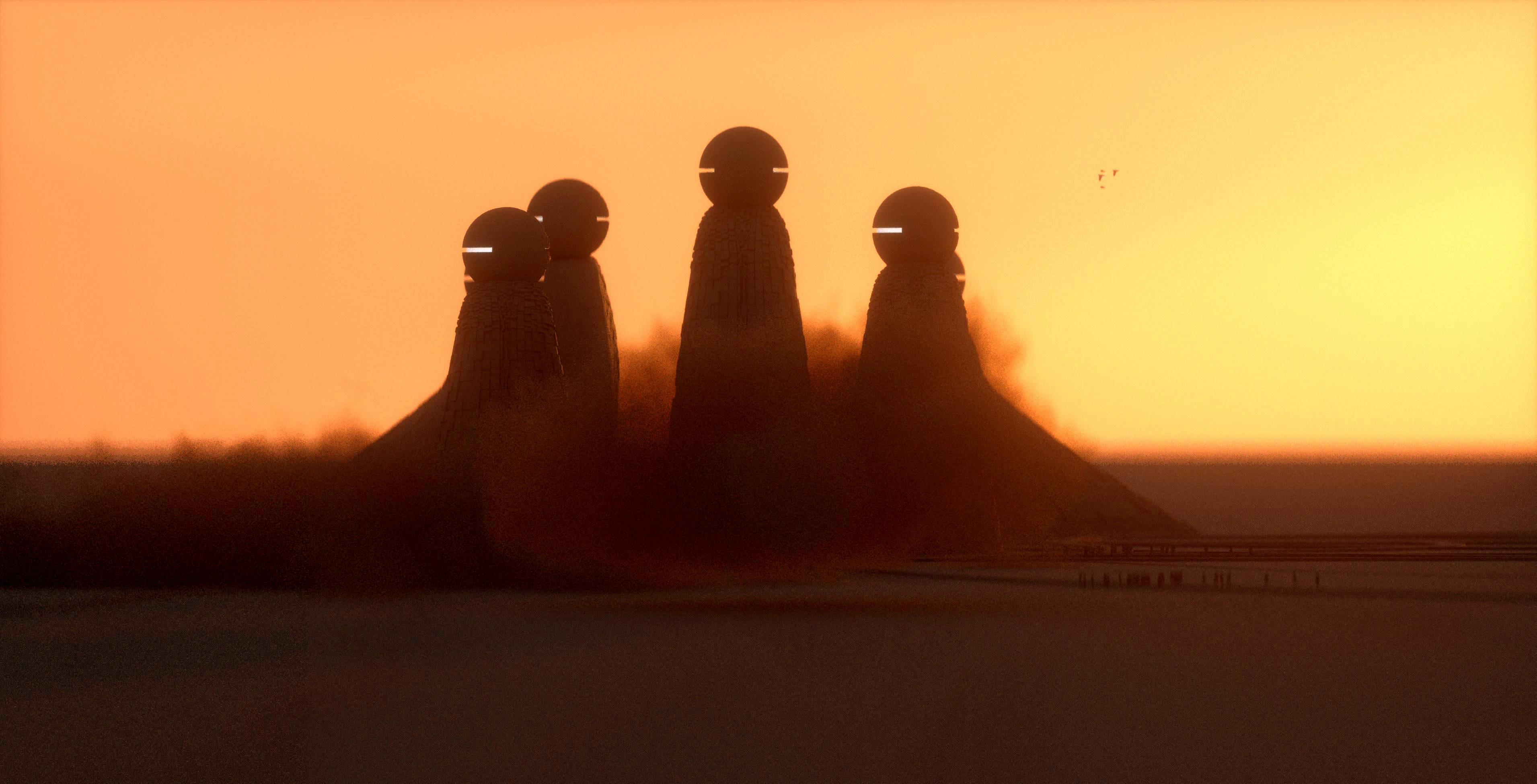
The structures are designed to feel excavated rather than built, emerging from their sites like geological events. They belong to the landscape while also standing apart from it — part architecture, part observatory, part civic ritual.
Inside, AEOLIA venues contain spaces for gathering, debate, performance, projection, learning, archive, reflection and public encounter.
They are not neutral containers.
They are places designed to make conversation feel significant.

AEOLIA is more than a visual concept.
It explores how narrative, atmosphere, and environmental storytelling can shape the experience of place.
Some interpretations suggest a forgotten civilisation.
Others imply a future yet to emerge.
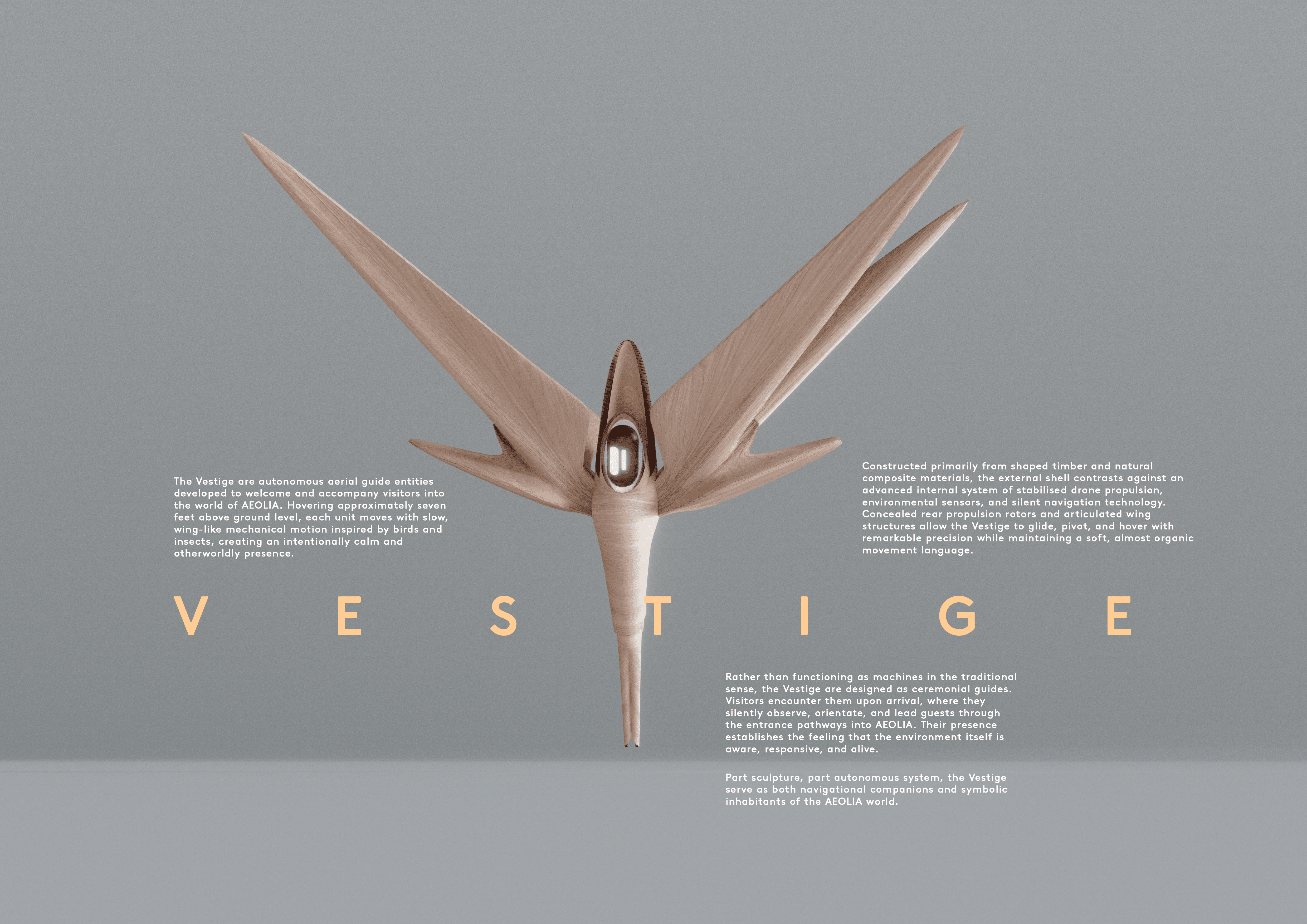
Autonomous floating guide entities move silently through the landscape, acting as navigational markers, custodians, or companions. Their presence introduces a sense of intelligence and continuity, guiding visitors through environments that feel layered with memory and meaning.
This narrative dimension extends the project beyond architecture alone.
The environment becomes an experience.
The experience becomes a story.
Materiality and Place
While the form of AEOLIA remains consistent, its material expression is intended to respond to the landscape, climate and culture of each location.
The beacons are not conceived as identical objects replicated across the world. Instead, each structure is imagined as a local interpretation of a shared architectural language, drawing from regional materials, construction traditions and environmental conditions.
A beacon on the Cornish coast may emerge from granite and weathered stone, echoing the cliffs and maritime heritage of the region.
A beacon in the deserts of the Middle East might utilise high-performance mineral composites, rammed earth, limestone or shaded ceramic surfaces designed to withstand extreme heat while reflecting local building traditions.
A beacon in Scandinavia could incorporate timber, engineered wood and low-carbon construction techniques, responding to forests, craft traditions and long-standing relationships between architecture and landscape.

In dense urban environments such as New York, Singapore or Seoul, the architecture may adopt stone, cast concrete, engineered ceramic or advanced composite materials capable of enduring heavy public use while maintaining a timeless civic presence.
The intention is not to create a family of identical buildings, but a network of recognisable civic landmarks shaped by the places they inhabit.
Each beacon belongs to its location.
Each location contributes to the wider constellation.
In this way, AEOLIA becomes both global and local: a shared institution expressed through the materials, climate and character of the communities it serves.
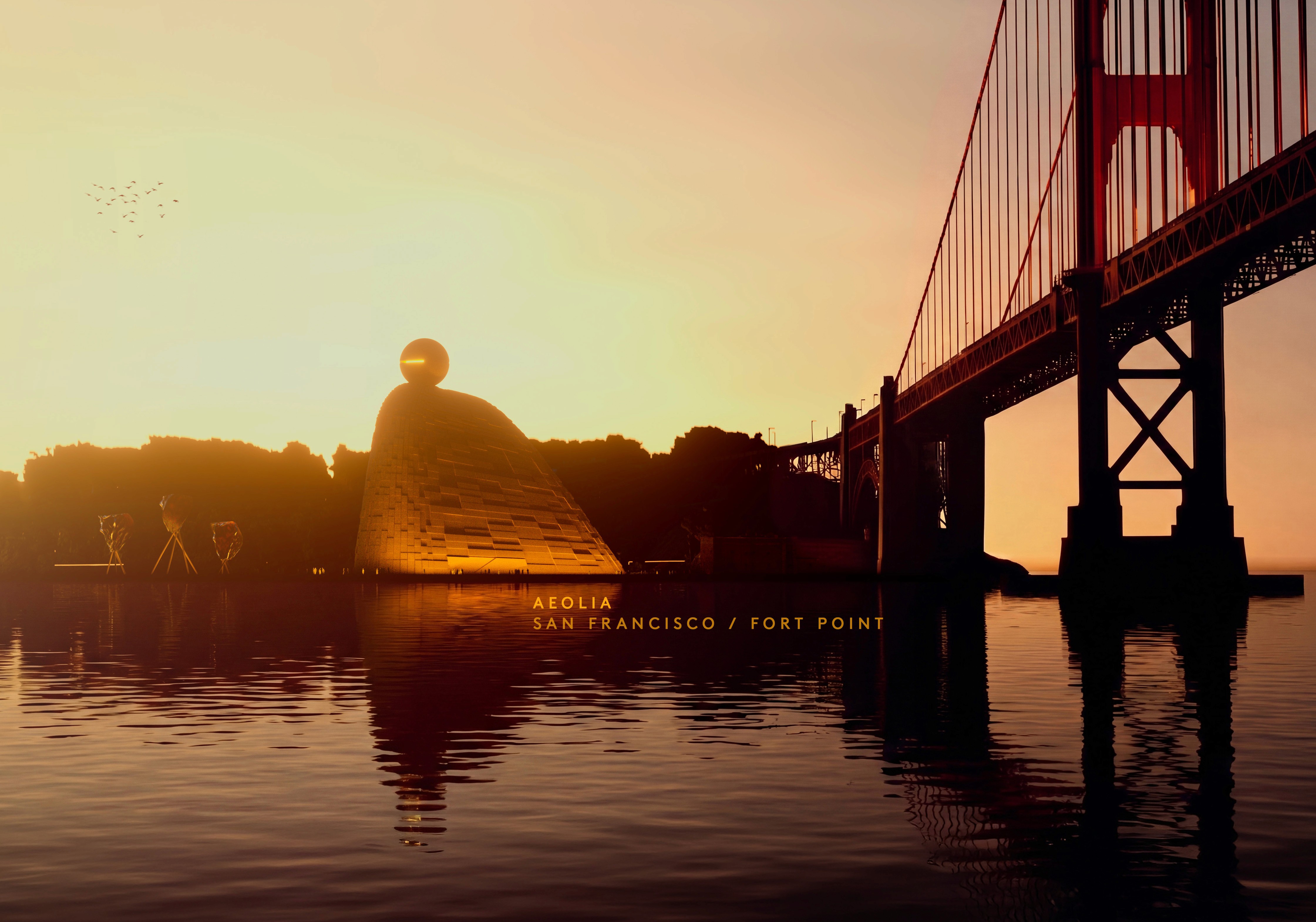

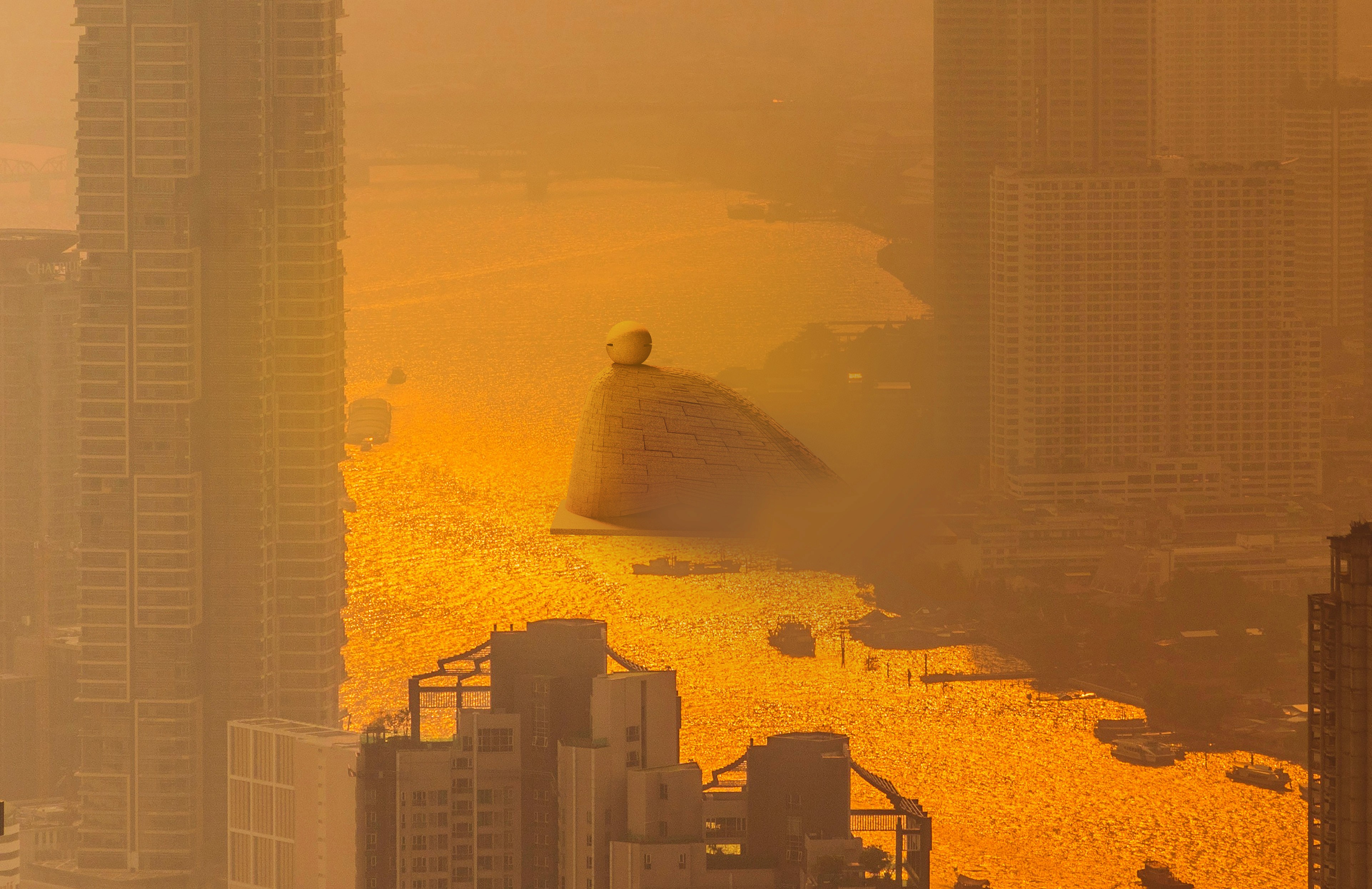
A beacon on the Cornish coast might examine climate, maritime identity and fragile landscapes.
A beacon facing New York might explore power, finance, migration, technology and the future of the global city.
A beacon in Liverpool might reflect on post-industrial reinvention, civic memory and cultural renewal.
A beacon in Lagos, Mumbai, Seoul, São Paulo or Jakarta might bring different pressures, histories and futures into the same global conversation.
Together, they form a constellation.
Each site speaks locally.
The network thinks globally.

The aesthetic intentionally moves away from sleek visions of utopian futurism. Instead, it embraces weathering, ambiguity, mystery, and scale. The structures appear shaped as much by environmental forces and the passage of time as by human intention, creating environments that feel discovered rather than designed.
AEOLIA asks what kind of spaces society needs now, at a time when public life is fragmented, technology is accelerating and the future feels increasingly difficult to hold in common.
The project sits at the intersection of architecture, environmental design, storytelling, public realm, speculative placemaking and future-focused civic imagination.
Its visual language draws from wind-sculpted geology, monumental earthworks, ancient ceremonial architecture, brutalist massing and speculative environmental design. The forms are intentionally ambiguous: neither fully ancient nor futuristic, neither ruin nor machine.
They feel discovered rather than designed.
Less building.
More encounter.
Ultimately, AEOLIA is an exploration of how architecture might become a vessel for collective thought.
A place to gather.
A place to look outward.
A place to ask where civilisation is heading.
SHARE ARTICLE


