Trace
June.2026
Read Article
↓
↓

Overview
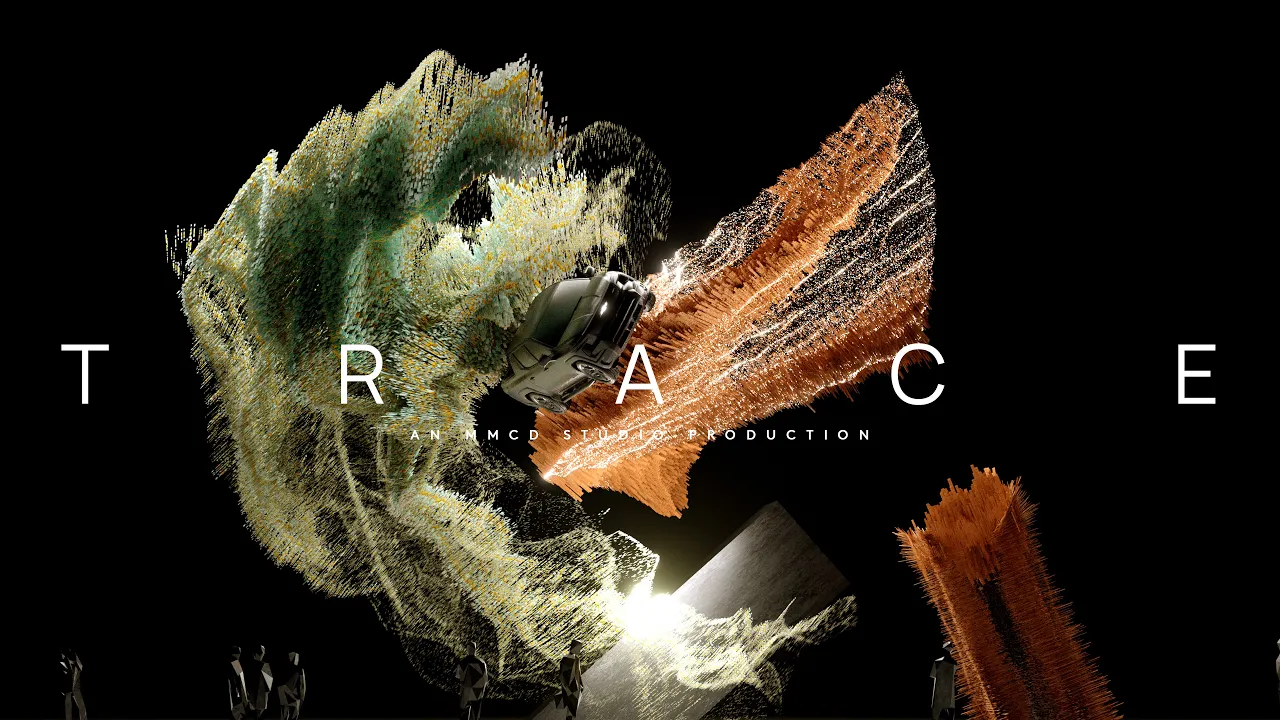
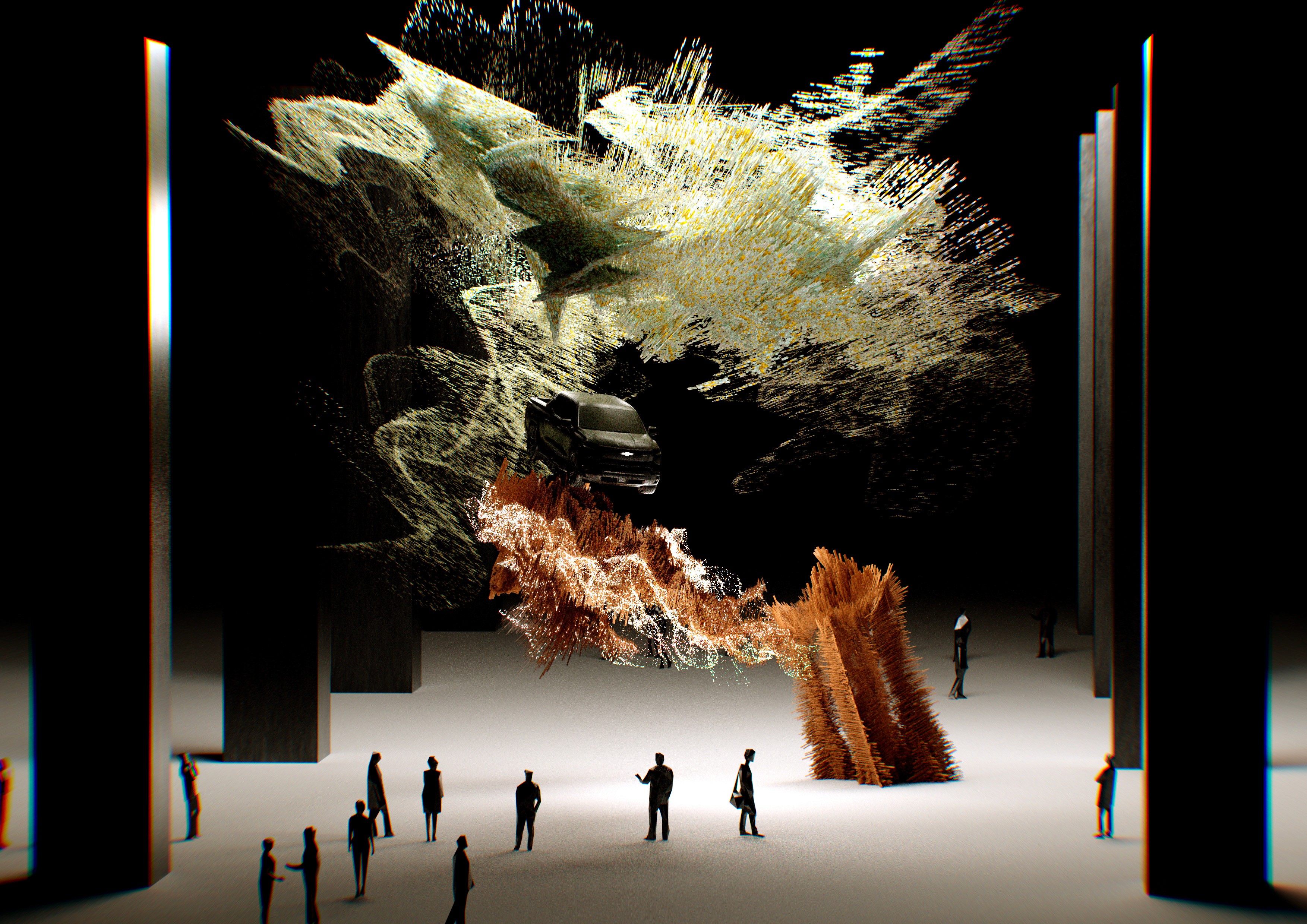
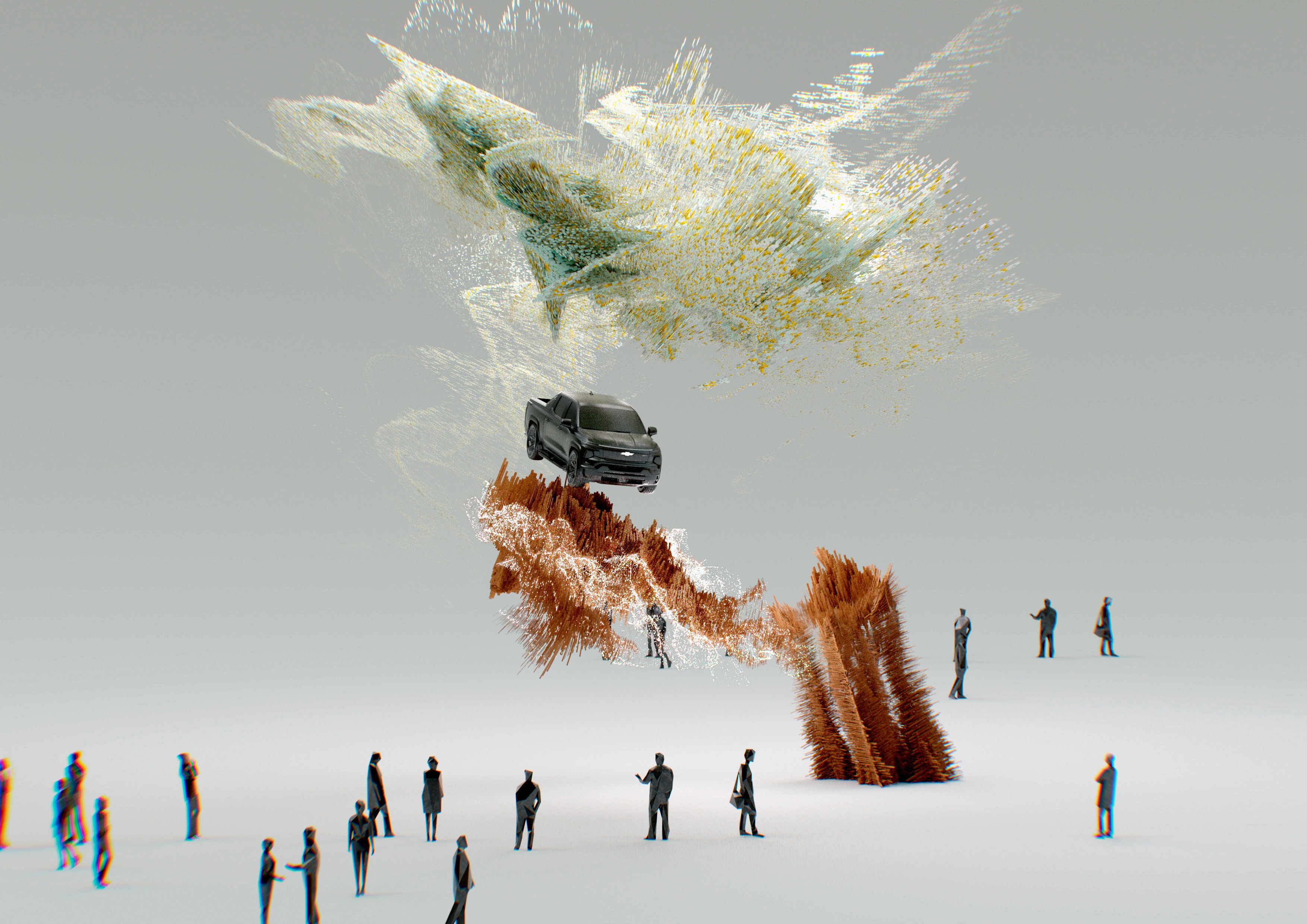
Trace is a speculative spatial concept exploring how vehicles might one day interact with environments capable of sensing, responding and adapting to their presence.
Rather than acting as a passive backdrop, the landscape becomes an active participant in the experience. Movement, weight and momentum generate visible reactions throughout the terrain, transforming invisible forces into physical expressions of form, texture and light.
The project imagines a future where the relationship between vehicle and environment becomes dynamic. As the vehicle moves through space, suspended material systems compress, expand and reorganise themselves in response. Wave-like structures shift in density and behaviour, revealing patterns of force that would otherwise remain hidden.
At its core, TRACE asks a simple question:
What if the landscape could feel the vehicle?
The concept explores how responsive environments might communicate information through material transformation rather than screens or graphics. Surface conditions, terrain types, environmental data and vehicle inputs could all be expressed through changes in texture, colour, movement and spatial composition.
The result is an environment that behaves less like architecture and more like a living system—one capable of continuously adapting to the objects moving through it.
Materiality and Construction
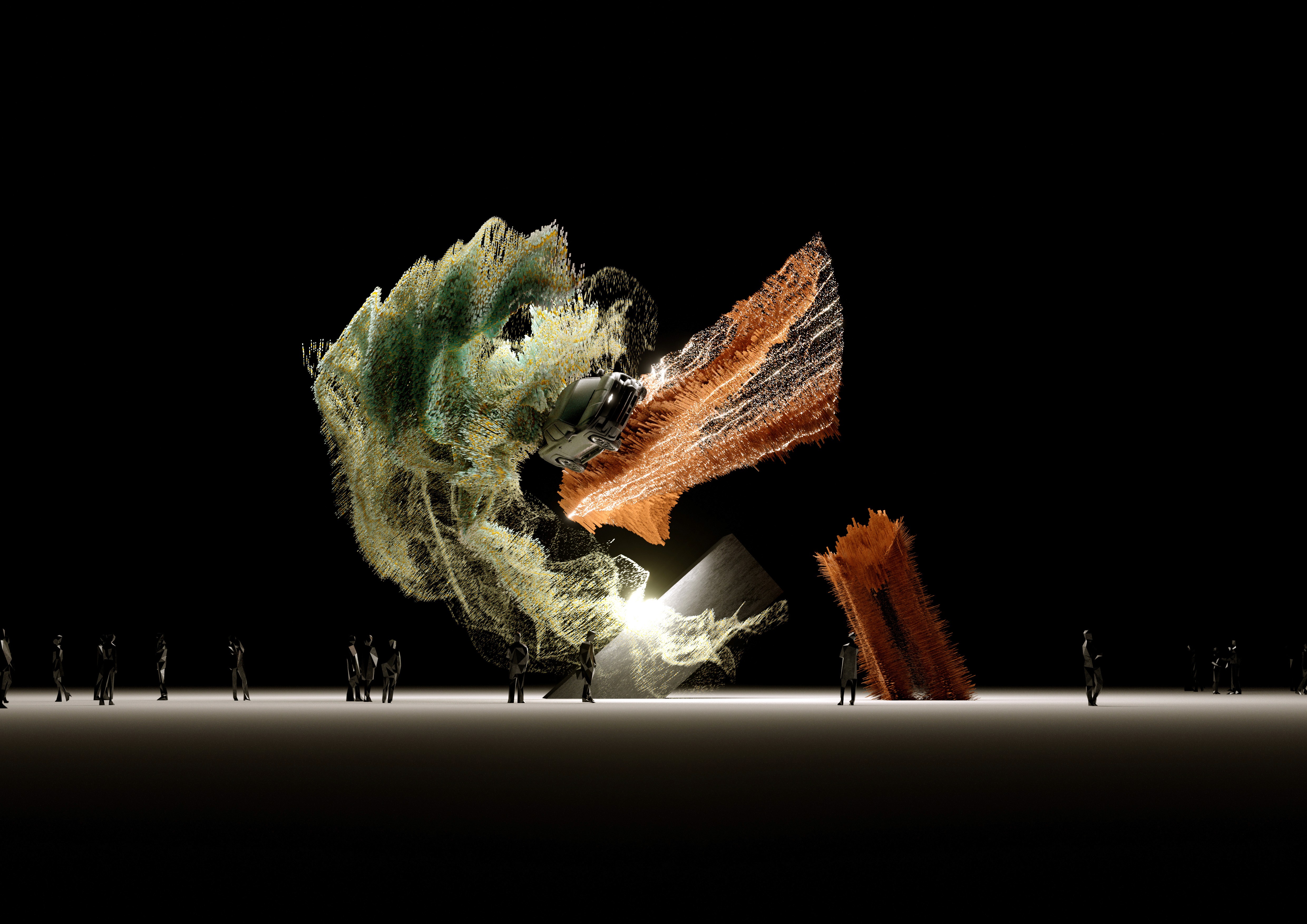
While TRACE exists as a conceptual exploration, many of its principles are grounded in technologies already used within architecture, exhibition design and interactive installations.
The suspended terrain could be constructed from lightweight modular elements mounted to a programmable overhead framework. Individual components might utilise cable systems, robotic actuators, pneumatic mechanisms or shape-changing materials to alter their position and behaviour in real time.
Rather than representing a single landscape, the terrain could continuously transform between different environmental conditions. Colour, texture and material expression might shift to evoke deserts, forests, coastlines, mountains or urban environments, creating an immersive representation of changing terrain types around the vehicle.
Integrated lighting, projection systems and responsive materials could allow the installation to communicate data through spatial transformation rather than conventional displays. Terrain conditions, vehicle performance, environmental information or user interaction could all influence the behaviour of the system.
The vehicle itself could remain physically grounded, while the surrounding terrain appears to float and reorganise around it. Alternatively, future iterations could suspend both vehicle and landscape within a shared structural framework, transforming the entire installation into a kinetic environment where movement, material and architecture become inseparable.
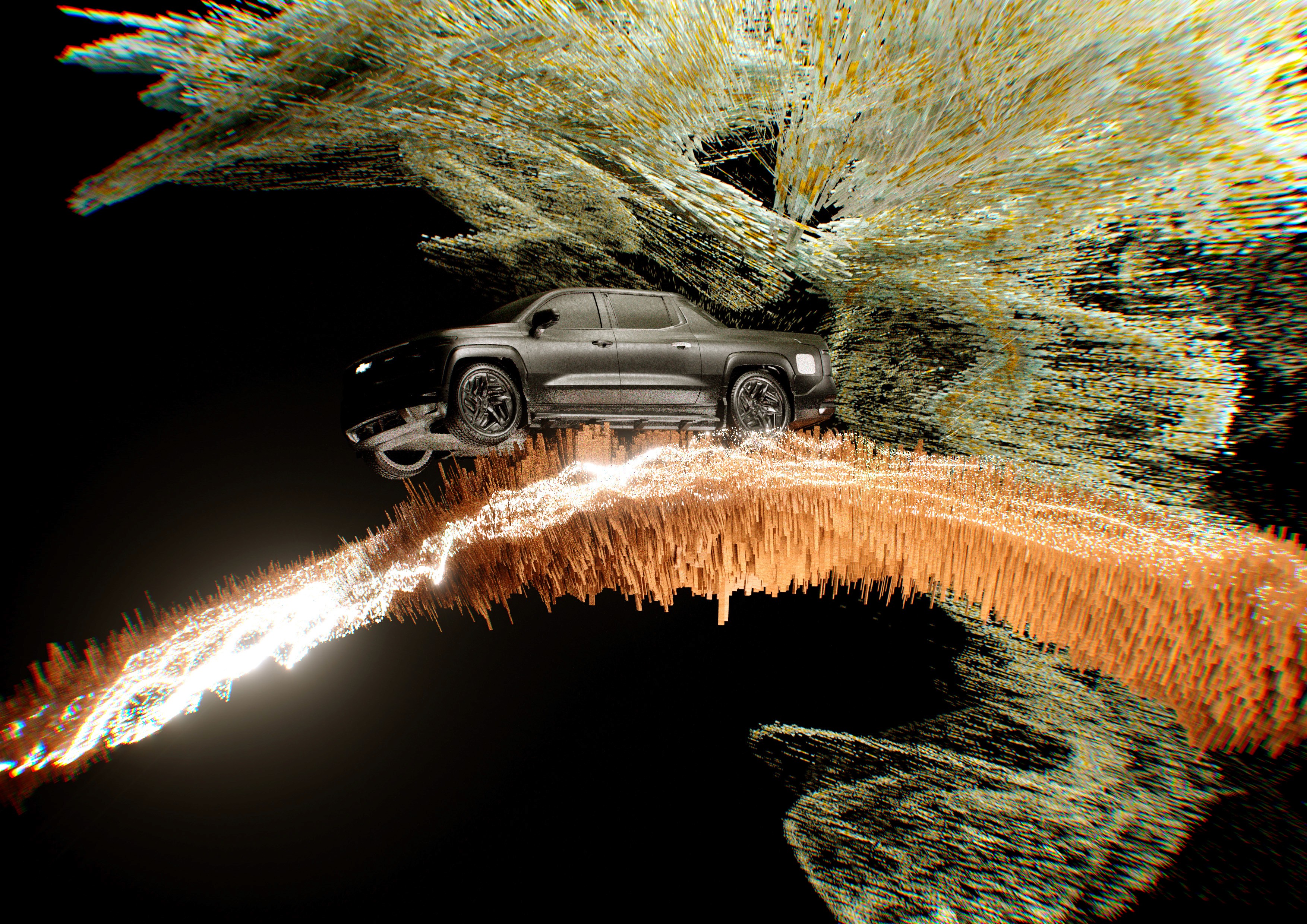
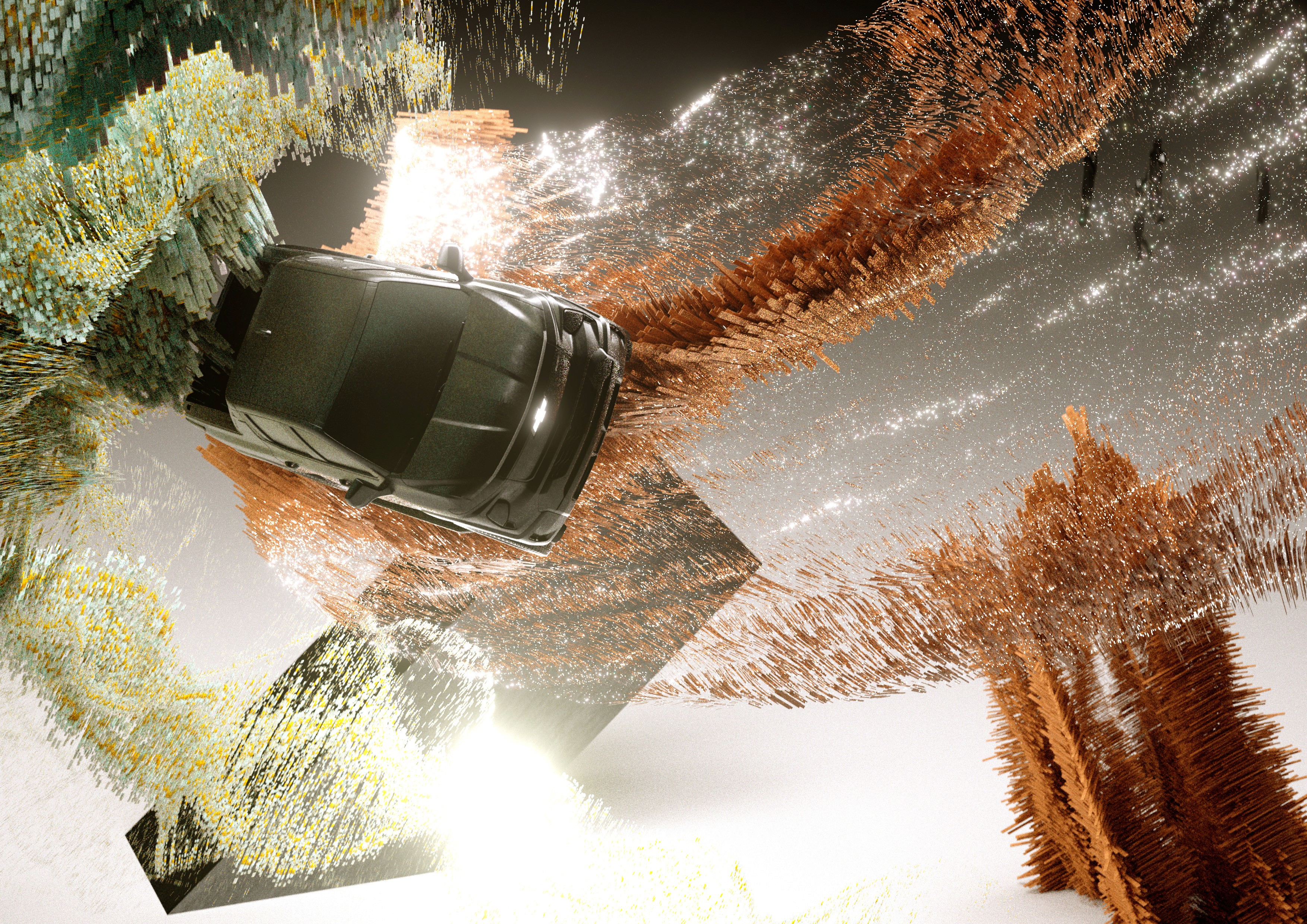
TRACE is not a proposal for a single installation.
It is an exploration of how future environments might respond to movement, communicate information through material behaviour and create deeper connections between people, vehicles and the spaces they occupy.
Part automotive display, part kinetic sculpture and part responsive architecture, TRACE imagines a future where landscapes are no longer static, but capable of reacting, adapting and evolving in real time.
SHARE ARTICLE


